
Salt Bath Nitriding
WANT TO ADD SURFACE HARDNESS WITHOUT DIMENSIONAL CHANGE?
TS Tech Nickel’s Salt Bath Nitriding (SBN) process can do just that. The process puts a hard (55 HRC+) “eggshell” layer on the surface of your parts.
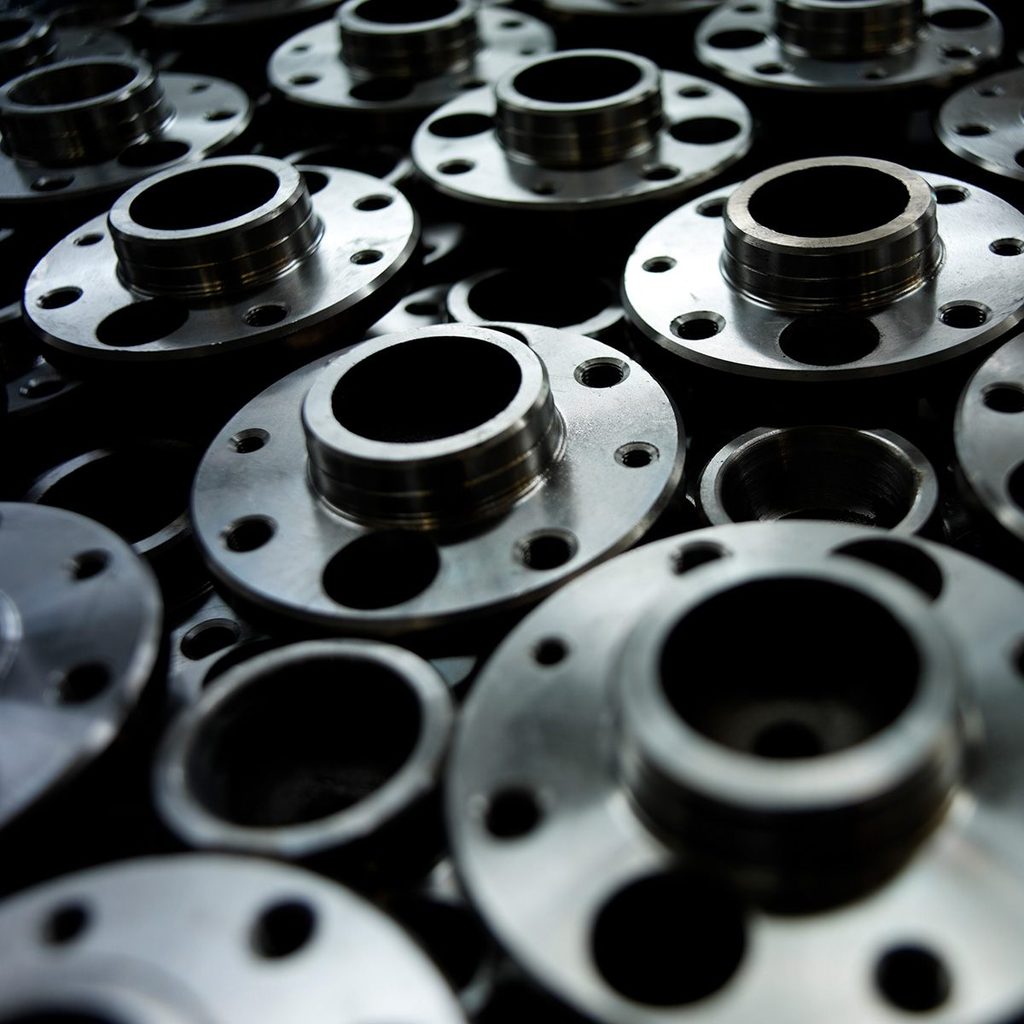
The Process
What is Salt Bath Nitriding?
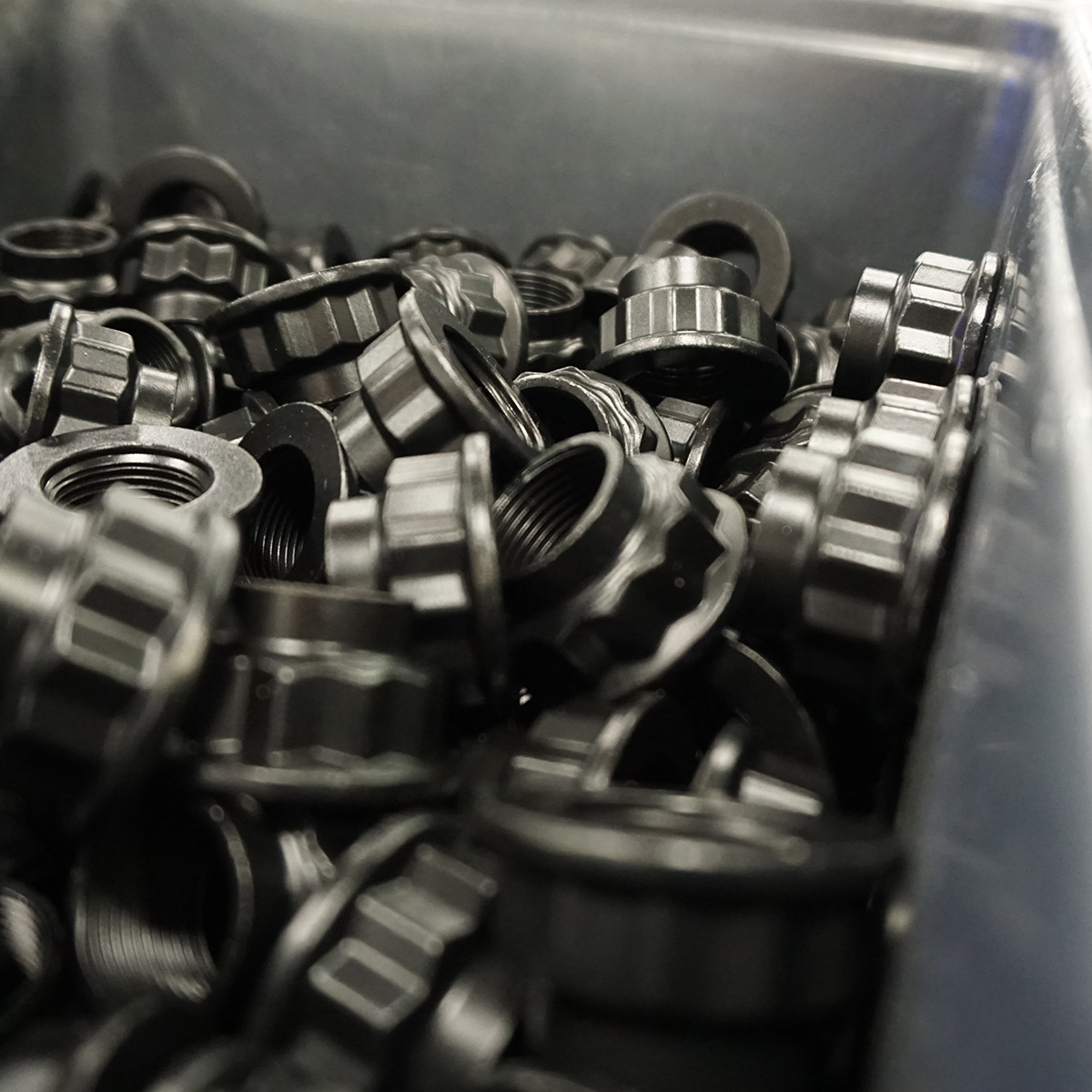
Simply put, it is a process that enhances the surface of your parts for higher hardness, reduction in friction, improved corrosion protection, abrasive wear resistance, and won’t peel or flake.
To achieve all of those features, the process submerges parts into a molten salt solution at 950-1075F. The salt chemistry contains both nitrogen and carbon that interacts with the iron content of the material to form what’s called a compound layer at the surface. This compound layer mostly provides the benefits described above, and the best part about it? The process temperature is low enough that it greatly limits the dimensional movement of parts, even though it’s considered a heat treatment process. It is often intended to be a final process before parts are used in application. Additionally, a thin oxide layer is deposited on top of the compound layer that adds the corrosion resistance benefit. Combined with a finishing oil, the parts present as black, and can withstand 96+ hours of salt spray testing.
Salt Bath Nitriding has many aliases. Here is a sample listing:
- Black Nitriding
- Melonite®
- SURSULF®
- Arcor®
- Tenifer®
- Tufftride®
- Nu-Tride®
Finishes
WE FINISH WHAT WE’VE STARTED
TS Tech Nickel has the capability to alter the look and feel of salt bath nitrided parts. See below or try our Interactive Finish Tool for the options.
Capability 01
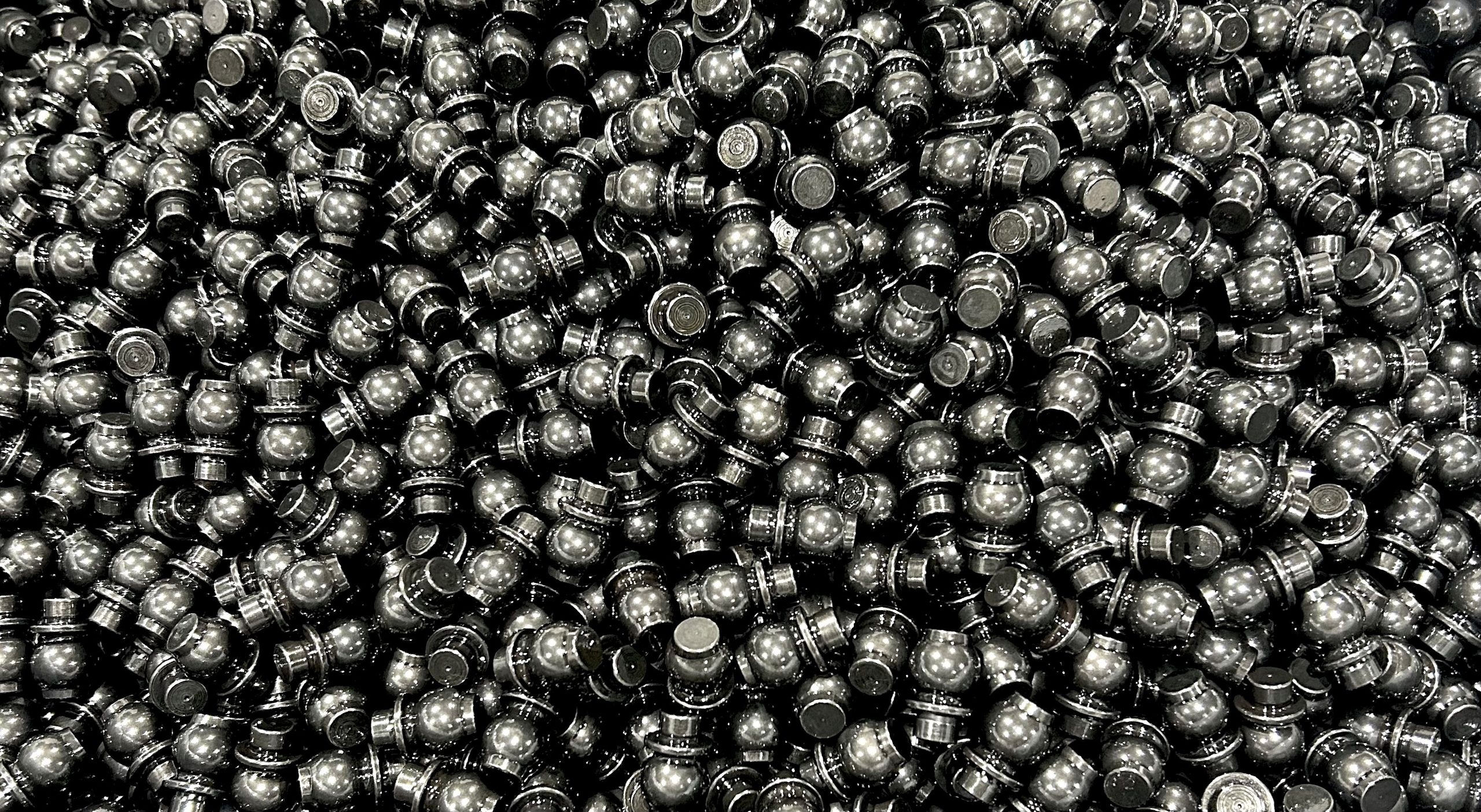
QP — Quench Polish
This option adds a polishing step after nitriding that smooths the compound layer.
Capability 02
QPQ — Quench Polish QUench
This option is the post-polishing plus a re-oxidation step to deepen the darkness of the black finish.
Capability 03
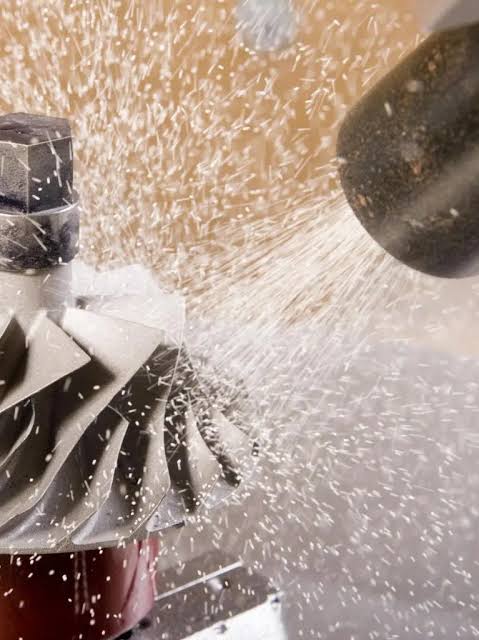
Pre-Blasting
For applications where a textured finish is preferred, TS Tech Nickel can blast prior to nitriding for a matte (steel shot) or heavy matte (aluminum oxide) finish.
Capability 04
SBN 300
A special version of Salt Bath Nitriding designed to enhance salt spray resistance to 300+ hours.
Materials Treated
What Can We Treat
These material types are compatible with this process.
- Low Carbon Steel
- Alloy Steel
- Stainless Steel
- Tool Steel
- Cast Iron
- Ductile Iron
- Powdered Sintered Steels
- Hardened Steel
- Inconel
- Nitriding Grade Steel
- 3D Printed Steel
Why Choose SBN
Advantages & Benefits
INCREASED HARDNESS
Raises surface hardness to 55 HRC+
Corrosion Protection
Salt spray resistance to 100 hours+
Minimal Distortion
Low temperature process means low distortion potential.
Abrasion Resistance
Withstands wear, friction, or surface erosion.
Improved Fatique Strength
Increases what a material can withstand under repeated or cyclic loading.
Low Coefficient of Friction
Compound layer reduces frictional wear.
Increased Lubricity
Especially with application of finishing oil.
STABLE
No peeling or flaking like with other blackening finishes.
Technical Data
Specifications
All of TS Tech Nickel’s Salt Bath Nitriding processes conform to the stringent aerospace standard AMS2753. Key characteristics are listed.
Compound Layer Thickness
Up to 30 microns.
Surface Hardness
Carbon/alloy steels: 55+ HRC – Stainless Steels: ~70 HRC.
Process Temp
950F – 1075F
Colors
Black, Grey
Tank Capacities
30″ W x 30″ L x 48″ H. Contact us about larger parts.
Compliance
Process: AMS2753
Pyrometry: AMS2750
Growth
Generally 50% of compound layer thickness.
Applications
Common Applications
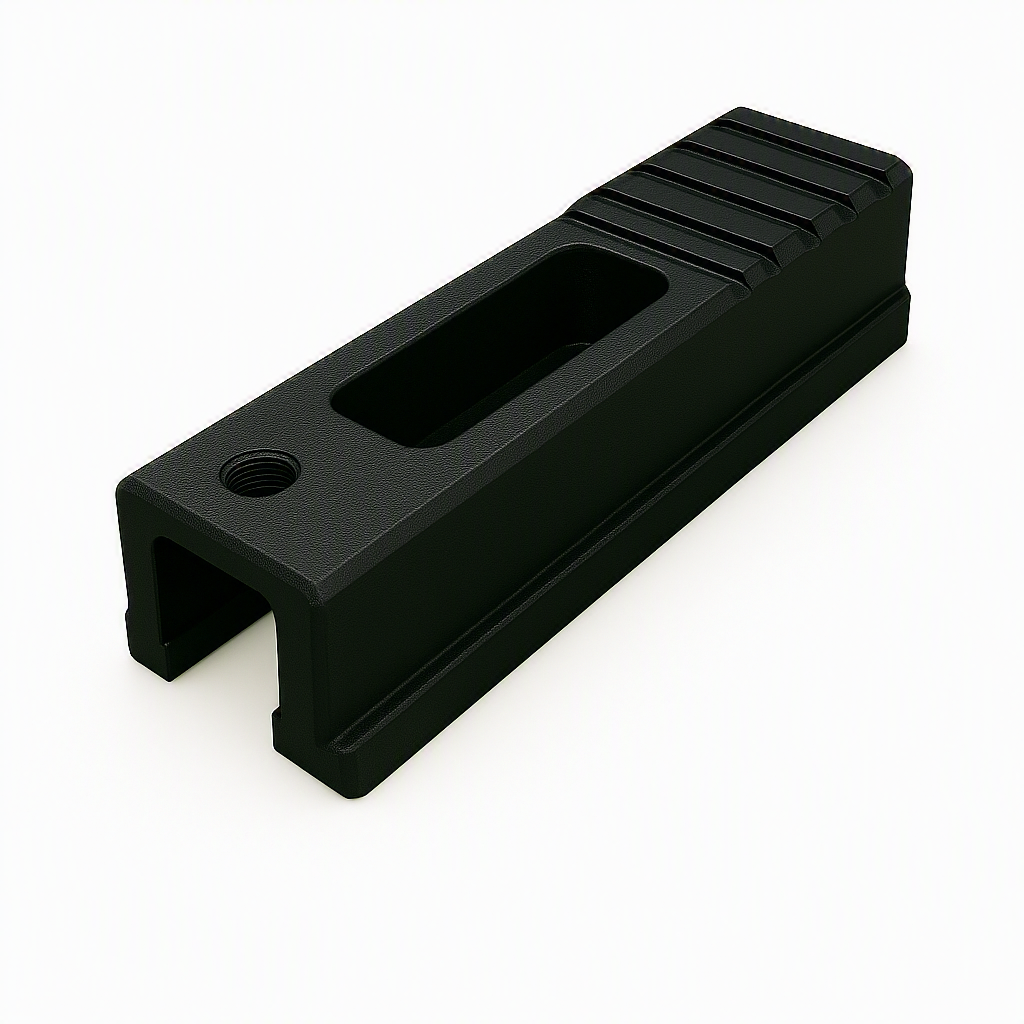
Firearm Components
For a deep black finish that won’t peel, crack or flake.

Automotive Parts
A variety of applications for frictional wear resistance and corrosion resistance.
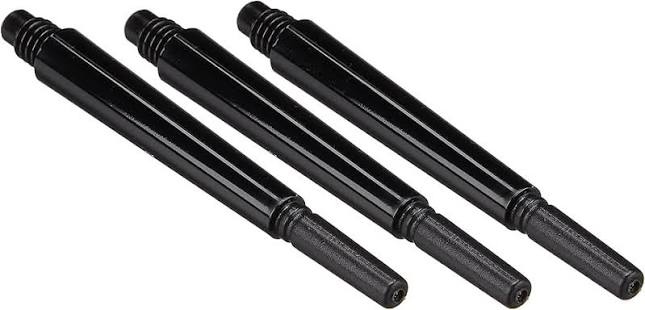
Gears & Shafts
Added surface hardness and corrosion resistance.
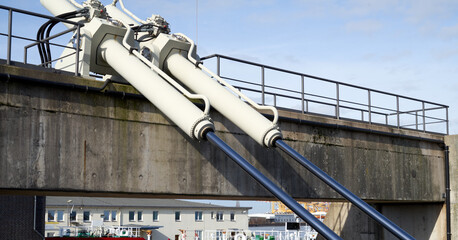
Hydraulic Cylinders
Smooth, hardened finish to replace traditional chrome plating.
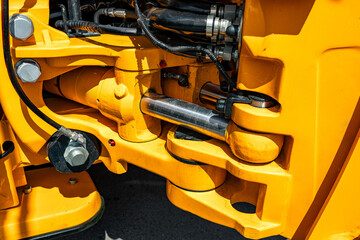
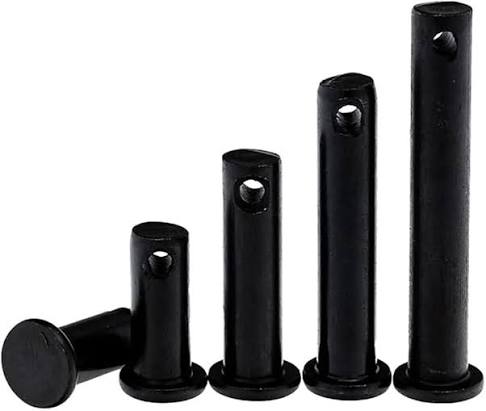
Bushing Pins
Increased lubricity and corrosion resistance.

Defense & Aerospace
Among the most demanding applications, AMS2753 was specifically written for the process.
FAQs
Frequently Asked
Questions
You’ve got questions? We’ve got answers.
Salt bath nitriding (SBN) is a thermochemical treatment whereby a specific chemistry salt is heated to molten temperatures (950-1075°F), and parts are submerged into the molten salt for a set period of time to build what is called a compound layer on the surface of steel parts. Salt chemistry varies among the trademarked processes; however, all contain carbon and nitrogen-carrying elements. The carbon and nitrogen interact with the iron content of the steel to form the layer on the surface. This compound layer is best described as an “eggshell” that fuses into and onto the steel surface to create a hard (55+ HRC), wear-resistant surface that vastly improves the steel’s wear and abrasion resistance while lowering the coefficient of friction.
The use of the term nitriding can be slightly misleading, as the process is actually ferritic nitrocarburizing; it is done below the critical temperatures (ferritic range) of steel, so there is no crystal structure change to the core of the material. The nitrocarburizing portion of the term is due to the carbon and nitrogen content of the salt to create the compound layer. True nitriding is intended to be a process that builds a specific case depth under the surface of the part and can be applied without a compound layer at all.
Additionally, parts are submerged into a second salt compound with specific chemistry that adds an oxide layer on top of the compound layer, giving the parts a dark grey appearance that turns black when a finishing/protective oil is applied at the end of the process.
If your application requires parts that withstand a high degree of frictional wear, abrasion resistance, or need additional corrosion resistance, you should consider using or specifying salt bath nitriding (SBN).
SBN can also be used as a surface finish process. TS Tech Nickel has the capabilities to produce various surface roughness finishes. Glass bead blasting or vibratory polishing (the QP process) can produce smooth surface parts, or steel shot and aluminum oxide blasting can produce a matte or heavy matte texture. A deep black color can be produced using the QPQ process. QPQ is an acronym for Quench, Polish, Quench, where the “Quench” is submersion in the oxidizing salt, followed by a polishing step, and then a second submersion in the oxidizing salt. Parts are then coated in a finishing/protective oil, which produces a deep black finish. The firearm industry especially uses the SBN process with these additional steps to produce an eye-pleasing finish on their products. These finishing processes are also known as Black Nitriding and Melonite® QPQ.
The key specifications for salt bath nitriding (SBN) are: compound layer depth and hardness, total nitride depth (some nitrogen does penetrate below the surface of the steel), and corrosion resistance. If you’d like an all-encompassing specification, TS Tech Nickel recommends using SAE International, Aerospace Material Specification 2753, or AMS2753 for short. This specification, originally developed in 1978, covers the requirements mentioned above, as well as the key process inputs that must be monitored by any processor claiming to be compliant with the spec. The current revision is AMS2753D, released in 2019 and the next revision, E, is currently underway. A copy of the specification can be downloaded at the www.sae.org website.
TS Tech Nickel recommends avoiding the use of trade names such as Black Nitriding or others, as that can limit the ability of certain processors to provide a quote on your parts. A proper way to specify the process on your part print is Salt Bath Nitriding per AMS2753. While you can also specify characteristics such as compound layer depth or total nitride depth, or salt spray resistance, AMS2753 captures the most important characteristics and will guarantee that you get robust, repeatable results.
If, in addition to the mechanical properties, you would also like to specify finishing requirements, such as smooth, matte, or heavy matte texture, or a deep black color, we encourage you to check out our interactive finish tool here on the website to see what the different finishing options will produce on some example parts. This will allow you to see what specifying a post polishing (QP) and double oxide treatment (QPQ) will achieve.
Our parent organization, HEF Groupe, is largely responsible for the various trade names that have been developed and patented over the years. They include: ARCOR®, TENIFER®, SURSULF®, TUFFTRIDE®, NUTRIDE®, and MELONITE® and all are still offered today by various HEF-affiliated companies and others who purchase the salts that HEF still manufactures. While the chemistry of each may have some slight variations, all will accomplish similar specifications that will conform to AMS2753, producing a compound layer at the surface of your parts with a high surface hardness and resistance to wear and abrasion. Referencing SAE specification AMS2753 will allow you to receive offers from multiple processors without locking you into one particular salt chemistry.
Additionally, the term Black Nitriding has become synonymous with salt bath nitriding. It is most commonly specified on firearm components and is generally meant to specify a process that is the same or similar to TS Tech Nickel’s salt bath nitriding QPQ process, which produces a deep black color finish on parts when combined with a finishing/protective oil application post-process. Check out our interactive finish tool to see what this finish looks like when you select our QPQ option.
All nitriding processes, including salt bath nitriding, are intended to be a finish process, and therefore you should see little to no dimensional change with the process. While the process is technically a form of heat treatment, the processing temperatures are typically between 950-1075°F, which for all forms of steel is below the critical temperature where crystal structures start to change and reform (known as the austenite phase). Staying below the austenite phase means that the shape of the parts will not be affected as the steel has not started to plasticize, as with heat treatments requiring hotter temperatures, such as neutral hardening or carburizing.
Having said that, the compound layer that builds into and on the surface of the parts can cause a minimal amount of growth. Typically the compound layer will be somewhere between 10-20 microns of depth, and a general rule of thumb is that half of that depth will be above the original surface, so you can expect somewhere between 5-10 microns of growth on all surfaces. Very fine thread pitches can sometimes become brittle, but for the vast majority of applications, this is not a problem. If you are concerned about brittle thread pitches, you can mask threaded holes using the corresponding bolt, but a high temperature anti-seize compound (rated to 1200°F minimum) must be applied to the threads prior to salt bath nitriding, or removal becomes difficult to impossible.
There are both similarities and differences between salt bath nitriding (SBN) and gas nitriding. The main similarities are that both processes use some form of chemistry that diffuses nitrogen molecules into the surface of steels to create a hardened layer at or below the surface of the parts being treated. Gas nitriding can also diffuse a compound layer at the surface of the parts being treated.
Some key differences include the intended result of each process. The results of gas nitriding, with modern day gas flow control equipment, can be more accurately controlled. For example, the compound layer that builds whenever nitrogen comes into contact with iron can be completely eliminated through proper control of the gases during a gas nitriding cycle. SBN, which is technically a version of ferritic nitrocarburizing, will always produce a compound layer, and can’t be eliminated without mechanical intervention after the process is completed.
Gas nitriding is also more specifically used to harden to a specific depth below the surface, called nitride depth. It is generally defined as the point below the surface (when being measured via microhardness testing) when the hardness of the steel is equal to the core hardness plus 50 HV. For SBN, you will get some nitrogen penetration below the surface, but it is less controlled because the focus is to build the compound and oxide layers.
Lastly, SBN cycles are significantly shorter than gas nitriding. The entirety of the nitriding portion of the SBN process is typically completed in 1-3 hours, whereas with gas nitriding, depending on the depth of nitriding specified, processing can last anywhere from 6 hours to literal days in the furnace (120 hours is not unheard of).
Yes you can. Salt bath nitriding (SBN) works with any ferrous material because it interacts primarily with the iron content in the material. While stainless steels can be difficult to heat treat in general, and particularly difficult to nitride, SBN has a built-in mechanism to deal with the difficult aspects.
Stainless steels are known as such due to their extremely high chromium content (minimum 10.5%, but typically as much as 17-20%). It is specifically the chromium content that gives stainless steel its excellent corrosion resistant properties. In fact, its resistance in general is what challenges processes like nitriding, as chromium oxides will block the diffusion of nitrogen into the steel. Gas nitriding processes must deal with these chromium oxides by chemical means such as a type of chloric acid to break the oxides and get the nitrogen to diffuse, whereas, the salt chemistry of SBN already has built-in components to deal with these chromium oxides without the need for additional pre-treatments or acids. These acids are almost always hazardous and if not properly controlled, can cause pitting at the surfaces of the parts being processed. Additionally, SBN does a better job of protecting the corrosion-resistant properties of stainless steels than conventional gas nitriding.