
Tech-Kote®
TIRED OF TRASHING TOOLS AND EQUIPMENT COVERED IN WELD SPATTER?
TS Tech Nickel’s proprietary Tech-Kote® process is more than a plating. It is a fused layer into the surface of the substrate that permanently prevents weld spatter from sticking to parts such as welding tables, fixtures, jigs and tools.
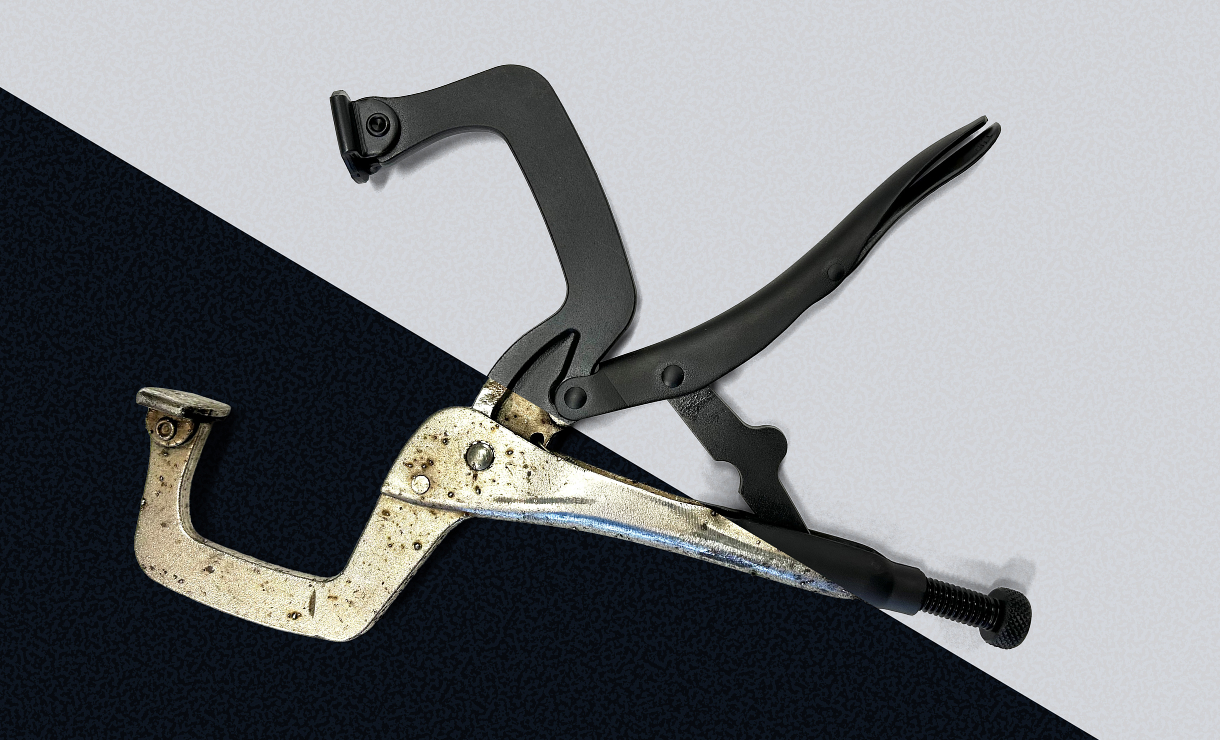
The Process
What is Tech-Kote®?
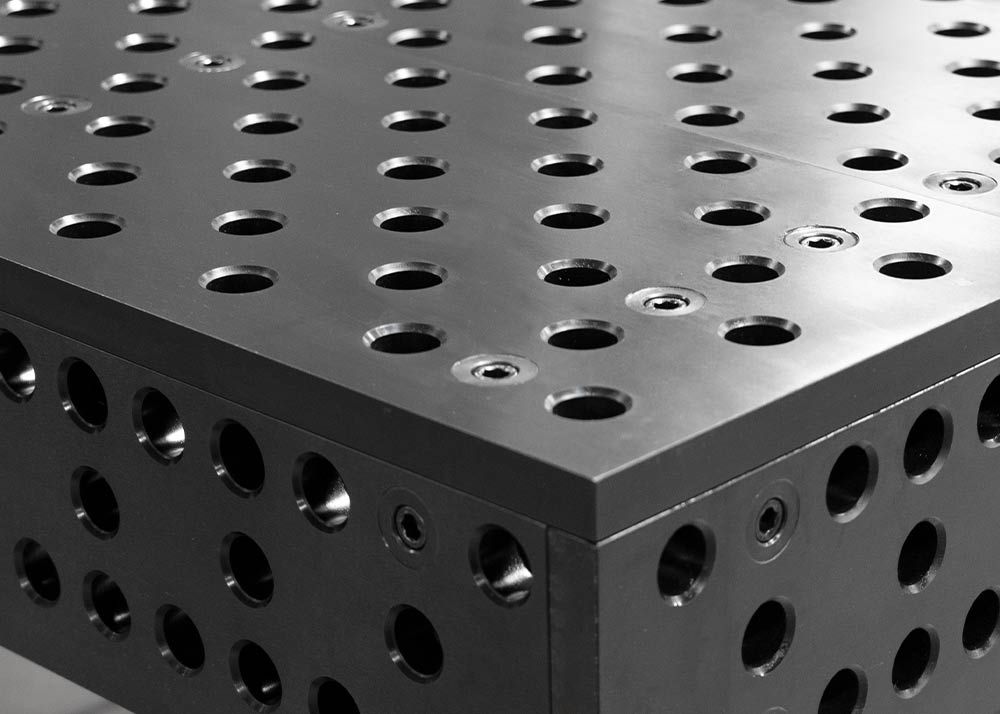
You can eliminate the issue of weld spatter sticking to your welding tools and components with this process.
Tech-Kote® is a proprietary thermochemical treatment for ferrous metals that improves resistance to weld spatter. It fuses with the base material to create a surface layer that spatter will not stick to. Additional benefits include, but are not limited to, little to no dimensional change of the part, an increase in surface hardness depending on the base material type, and there are no sprays or liquids to apply. You’ll enjoy a weld spatter-free surface for the life of the parts.
Materials Treated
What Can We Kote?
These material types are compatible with this process.
- Low Carbon Steel
- Alloy Steel
- Stainless Steel
- Tool Steel
- Cast Iron
- Ductile Iron
- Powdered Sintered Steels
- Hardened Steel
- Inconel
- Nitriding Grade Steel
- 3D Printed Steel
Why Choose Tech-Kote®
Advantages & Benefits
Weld Spatter Eliminated
No sprays or liquids to use.
Dimensional Stability
Treatment will not distort parts.
Increased Surface Hardness
Protects against impact damage.
Reduces frictional wear
Protects moving or sliding parts.
Versatile Process
Can treat parts with almost any design or geometry.
Metal Treatment
Tech-Kote® is not a plating but a fused surface addition.
Surface Stability
Won’t peel, flake, or fade away.
Color
Black
Applications
Common Applications
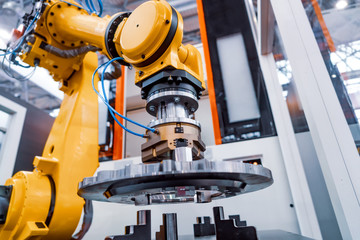
Automation Components
Perfect for weld cells where spatter can cause issues.
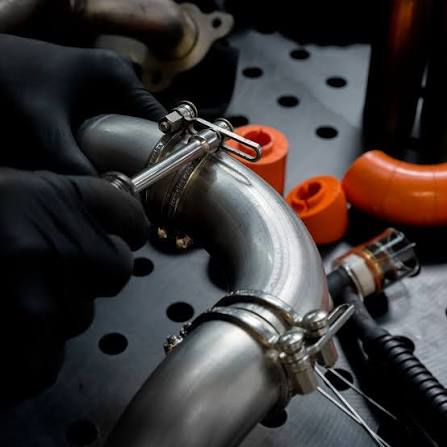
Tooling & Fixture Components
Automatic weld operations can benefit from keeping fixtures free of spatter.
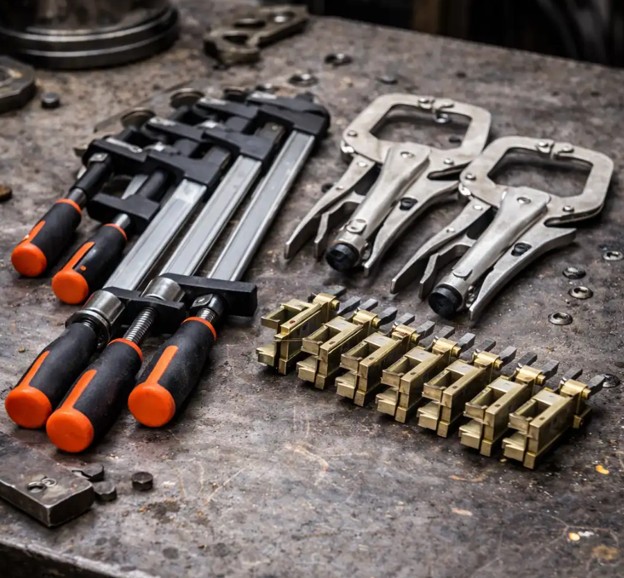
Welding Tools
Clamps, fixtures, and any other tools exposed to a weld environment.
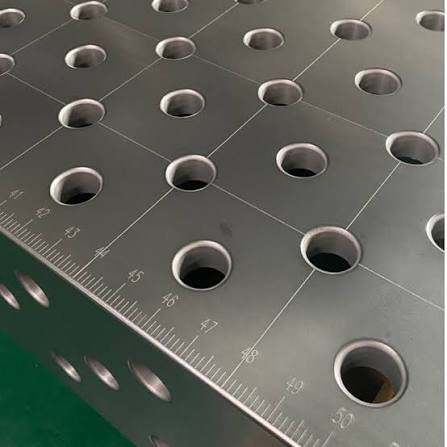
Weld Tables
Stop spatter from collecting on weld surfaces.
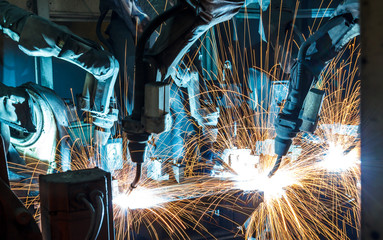
Welding Equipment
Any equipment made of ferrous metal can benefit from Tech Kote®.
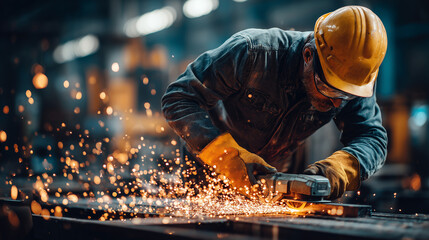
Grinding Components
More than just weld spatter, Tech Kote® will also stop grinding spark damage and wear.
FAQs
Frequently Asked
Questions
You’ve got questions? We’ve got answers.
Tech-Kote® is a proprietary surface treatment created by TS Tech Nickel to treat parts that will be subjected to welding spatter. Parts that are treated with the Tech-Kote® process do not allow weld spatter to stick to their surfaces without the need for additional sprays or liquids. Because it is a surface treatment as opposed to an adhered coating, it will not peel or flake over time.
Tech-Kote® can be applied to any ferrous metal material, such as carbon steels, alloy steels, stainless steels, cast iron, tool steels, and more.
Tech-Kote® can’t be applied to non-ferrous metals such as aluminum, copper, brass, or bronze.
Any ferrous material parts can be treated with the Tech-Kote® process. Welding tools, clamps, fixtures, and tables are prime candidates for this treatment. Automation integrators have also found that by treating their parts with Tech-Kote®, they can provide their customers with a premium weld cell with components that come already resistant to the weld spatter that would otherwise be a constant weld spatter housekeeping issue. In fact, several of these types of companies have standardized on the Tech-Kote® process as a way to differentiate themselves in the marketplace.
Unfortunately, the process only works with ferrous metals, so Tech-Kote® can’t be applied to non-ferrous metals such as aluminum, copper, or bronze.
TS Tech Nickel has been performing the Tech-Kote® treatment process for over a decade. We’ve treated over 100,000 parts with the process without a single complaint, and we’ve never had a part, component, or assembly return to us for re-application. Because of the additional benefits of wear resistance and high hardness, it is a tough, durable treatment that goes beyond just the weld spatter resistance.
Tech-Kote® is meant to be a finishing process. You will want to specify all of your machining, welding, heat treatment, and other fabrication steps first. If you have a particular surface finish to achieve, you’ll want to do that before the Tech-Kote® treatment.
While some finish grinding may occur if you have any last-minute dimensional cleanup after treatment, you will want to keep it to a minimum, as you can inadvertently grind off the treatment layer after processing. Ideal conditions would be to assemble the part as needed once we return it to you.
Tech-Kote® is intended to be a finish process, and therefore you should see little to no dimensional change with the process. The process is performed at a temperature below the phase where steel tends to deform. Because of this, the Tech-Kote® process does not cause dimensional movement. Be sure to machine your parts to final dimensions before the application of the Tech-Kote® process.
Having said that, the protective layer that builds into and on the surface of the parts can cause a minimal amount of growth. Typically the layer will be somewhere between 10-20 microns of depth, and a general rule of thumb is that half of that depth will be above the original surface, so you can expect somewhere between 5-10 microns of growth on all surfaces. Very fine thread pitches can sometimes become brittle, but for the vast majority of applications, this is not a problem. If you are concerned about brittle thread pitches, you can mask threaded holes using the corresponding bolt, but a high-temperature (rated to 1200°F minimum) anti-seize compound must be applied to the threads prior to Tech-Kote®, or removal becomes difficult to impossible.