
Electroless Nickel Plating
A NICKEL COATING, BUT WORTH SO MUCH MORE
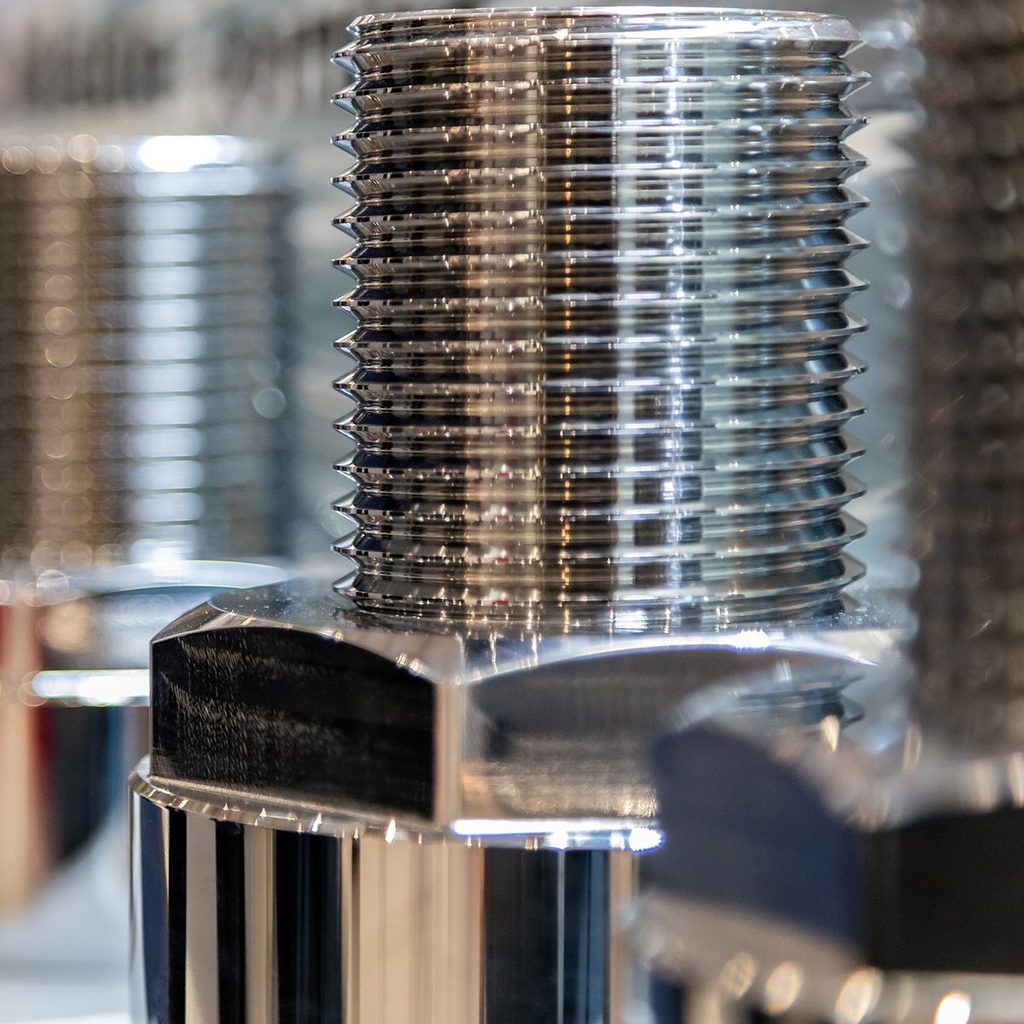
TS Tech Nickel’s electroless nickel coating outperforms with a smooth, even coverage regardless of part geometry.
The Process
WHAT IS ELECTROLESS NICKEL PLATING?
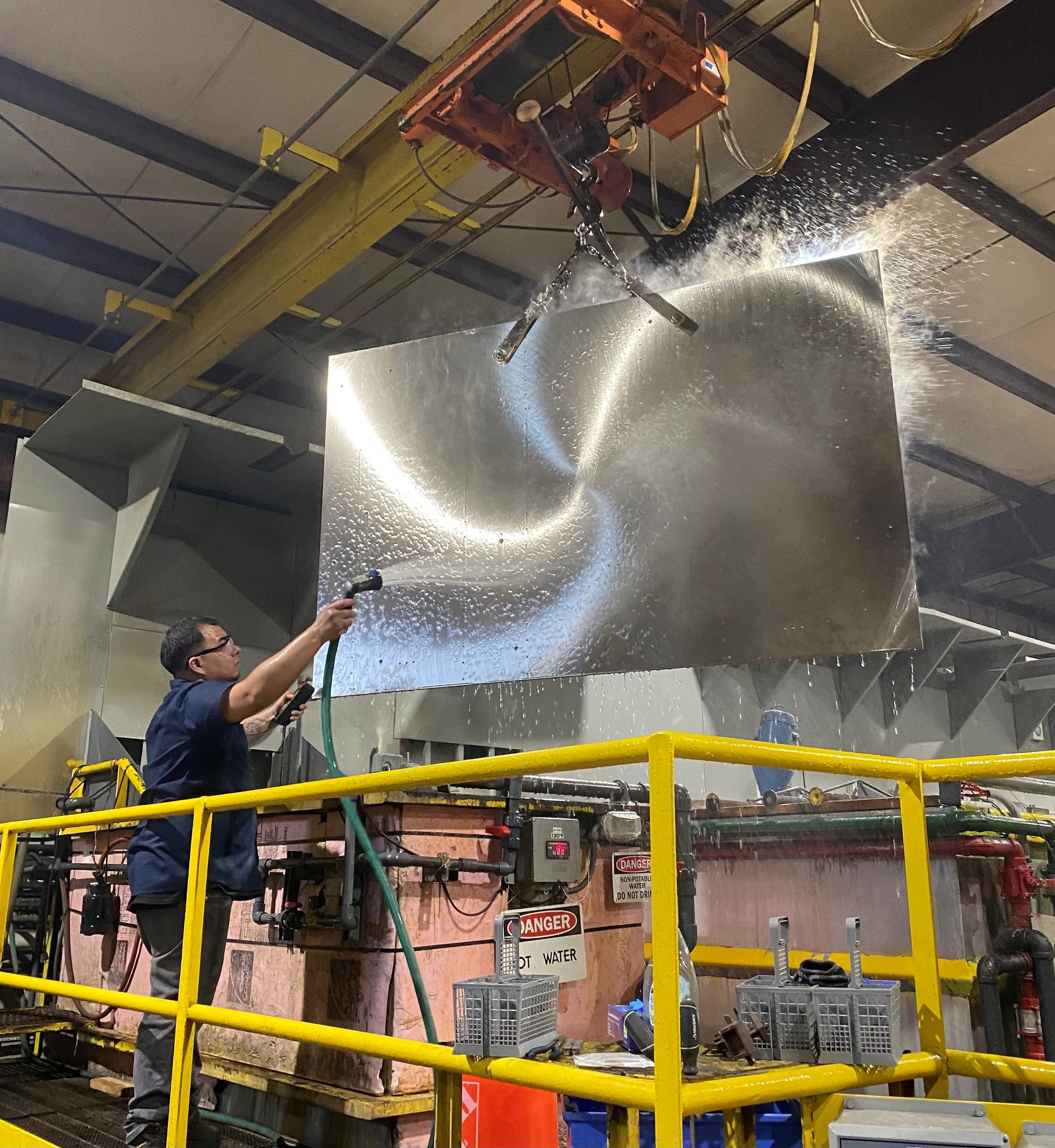
A smooth, shiny, silver, corrosion resistant coating without the need to subject the parts to an electrical current.
Electroless nickel plating is an autocatalytic chemical reaction where the parts are first degreased and cleaned, then acid dipped to properly prepare the surface for maximum adhesion. Parts are then dipped in an aqueous chemical bath made up of nickel and phosphorous which causes the plating to adhere to the surfaces evenly and thoroughly. Unlike with electrolytic nickel plating, the electroless process coats the parts evenly regardless of geometry. There is no buildup around corners and edges. Depending on the thickness of coating required, the parts can be heated or “baked” in an oven after plating to improve adhesion, raise the hardness, and release any excess hydrogen that can cause embrittlement.
Finishes
Two FINISHES AVAILABLE WITH ELECTROLESS NICKEL PLATING
TS Tech Nickel can perform additional operations to alter the finish of your part combined with the nickel plating.
Capability 01
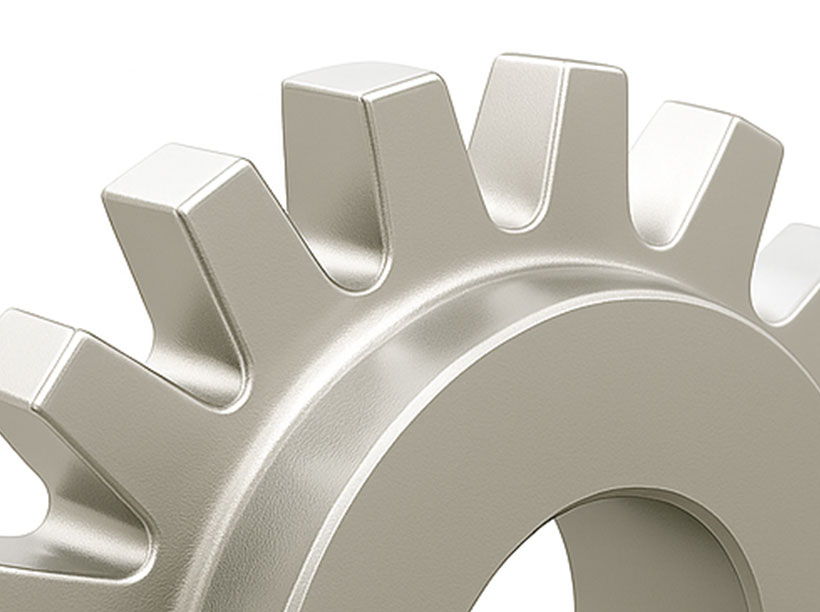
Smooth / Shiny
TS Tech Nickel’s electroless nickel plating is a near mirror finish.
Capability 02
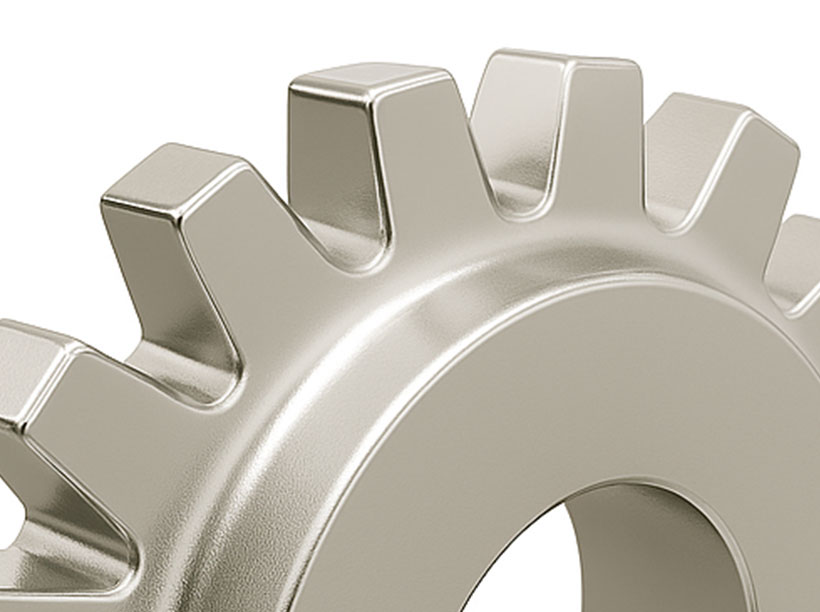
Matte
A pre-blast with steel shot can be added for a textured matte finish.
Materials Treated
What Can We Treat
These material types are compatible with this process.
- Low Carbon Steel
- Alloy Steel
- Tool Steel
- Powdered Sintered Steels
- 3D Printed Steel
- Aluminum
- Copper
- Brass
- Bronze
Why Choose Electroless Nickel Plating
Advantages & Benefits
Uniform Coverage
Plates with perfect consistency. Eliminates need for post-machining.
Increased Wear Resistance
High hardness increases resistance to wear.
Corrosion Protection
Up to 96 hours of salt spray resistance.
No Build Up
Versus electrolytic plating, eliminating buildup around corners and edges.
Good Adhesion
Won’t flake off, especially with post-plating bake.
Good Aesthetics
Electroless nickel finishes are smooth and shiny.
Selective Plating
Areas of parts can be masked to prevent plating.
Durability
No thin spots or porosity for corrosion to attack.
Technical Data
Specifications
TS Tech Nickel’s electroless nickel process primarily conforms to AMS2404, AMS/MIL-C-26074, ASTM B733 Type IV & V industrial specifications. Contact us for others.
Thickness Range
.0002″ – .0030″
Plating Hardness
Approx. 50 HRC as deposited. Can go as high as 60-65 HRC with post-plating bake.
Tank 1 Capacity
41″ W x 120″ L x 48″ H
Tank 2 Capacity
41″ W x 72″ L x 72″ H
Corrosion Resistance
Up to 96 hours salt spray.
Bond strength
Superior adhesion performance, especially when baked post-plating.
Colors
Silver, Gold/Bronze
Applications
Common Applications

Aerospace Components
Provides for critical, exact tolerances.
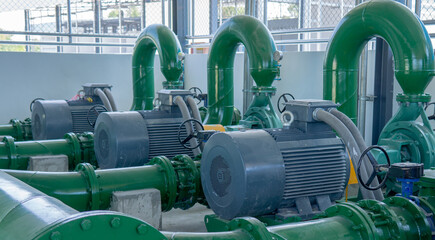
Fluid Processing Equipment
Superior corrosion protection and uniform coverage.

Firearm Components
Shiny silver finish similar to chrome.

Automotive Parts
Corrosion protection and dimensional tolerance.
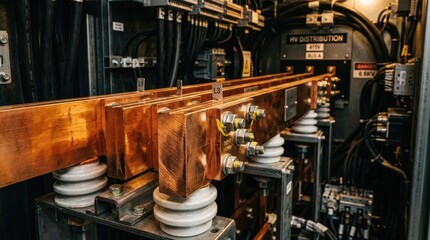
Electrical Components
Provide corrosion protection to copper parts.

Food & Beverage
Corrosion protection coating that is FDA compliant.
FAQs
Frequently Asked
Questions
You’ve got questions? We’ve got answers.
For pure definition purposes, electroless nickel plating is a process that deposits a uniform layer of nickel alloy on the surface of metal parts. The thickness of plating required determines the amount of time that the parts are submerged in the plating alloy solution. The typical plating thickness range that TS Tech Nickel is capable of adhering to parts is .0002” to .003”.
The plating works by a process called an autocatalytic reaction. The chemistry of the plating bath is a certain percentage of nickel combined with the corresponding percentage of phosphorous, which acts as a reducing agent to deposit the nickel onto the surface of the part. The advantage to this process is that no electrical current is necessary to get the nickel to stick to the surface, meaning that the nickel will coat evenly and uniformly across the entire part regardless of how extreme the geometry changes are on the part.
There are several steps involved beyond just the plating of parts. First, the parts are racked onto fixtures such that all surfaces will be exposed to the plating solution. Any areas that need to be masked from plating are taped or plugged at this stage. The parts are then sent to an aqueous cleaning solution tank where they are soaked to remove any incoming grease, dirt or oils. They are then transferred to a pickling tank with an appropriate acid solution for the metal being plated. This is the final preparation of the surface prior to plating. The part is then thoroughly rinsed with water to remove any remaining pickling acid and then immediately transferred to the nickel plating bath. After the appropriate amount of time to achieve the specified plating thickness, the parts are removed, rinsed again and immediately dried. Any masking applied to the part is removed, parts are coated with a protective oil and prepared for return shipping. For plating thicknesses above .001” or according to applicable specification, parts may also be “baked” or heated in an oven to both remove any trapped hydrogen that can cause embrittlement and to improve both adhesion to the surface and hardness of the plating. The baking process is generally not necessary for thicknesses below .001” but can still be performed upon request or for specification purposes.
TS Tech Nickel has the capabilities to perform electroless nickel on several steel substrates, as well as many aluminum substrates. Unfortunately, we do not have the capability to apply electroless nickel plating onto stainless steel surfaces, as a special pre-treatment is required for adhesion purposes.
TS Tech Nickel can conform to multiple industrial electroless nickel specifications. See below for a list of specifications, classifications, and other criteria that are a fit for our process:
Aerospace Material Specification 2404 (AMS2404) -Classes 1, 2, 3, and 4 covering post plating thermal treatment requirements. -Grades A, B, and C covering the plating thickness requirements from .0015” up to .001” minimum thickness.
AMS/MIL-C-26074 -Classes 1, 2, 3, and 4 covering post plating thermal treatment requirements. -Grades A, B, and C covering the plating thickness requirements from .0015” up to .001” minimum thickness.
American Society for Testing and Materials B733 (ASTM B733) -Types I, IV and V covering the phosphorous content in the nickel plating bath. -Service Conditions SC0, SC1, SC2, SC3, and SC4 covering the plating thickness requirements from .000004” to .003”. -Classes 1, 2, 3, 4, and 5 covering the post plating thermal treatment requirements.
TS Tech Nickel most commonly sees thickness ranges specified between .0002” and .001” but has the capability to apply thickness up to .003”. The electroless nickel process is intended to be a finish process, meaning that you should not need to do any further surface machining or grinding post-plating. Because the electroless process coats evenly and uniformly, there are no build-up spots or uneven thicknesses that you can see as a result of electrolytic plating processes.
Keep in mind that because the plating is applied to all surfaces, the thickness you specify will grow the part in two directions, whether your part has diameters or is flat, this must be taken into consideration. For example, a 2” diameter part with a plating thickness specification of .0004”/.0008” will experience overall growth of .0008”/.0016”.
TS Tech Nickel requests that you specify a thickness range of at least .0002” to properly control the timing of the thickness application.
For specification of post-plating thermal treatment, there are some general rules of thumb associated with why you would do it: -For plating thicknesses above .001” a thermal treatment at 380°F for 2 hours minimum is required to boost adhesion and removal of trapped hydrogen that can cause embrittlement. -The standard hardness of electroless nickel plating is approximately 50 HRC. For higher hardnesses, utilizing a higher temperature post-plating thermal treatment at 580°F for 5 hours minimum will raise the plating hardness as high as 60-65 HRC. Please note that the plating will experience air oxidation at this higher temp and will result in more of a gold color finish versus silver.
When deciding whether to apply plating to threads or if they require masking prior to plating to prevent plating, a general rule of thumb is to limit plating thickness on threads to no more than .0005” per side.
Lastly, if your part has any hollow tubes, note that TS Tech Nickel will need to drill holes at the top and bottom of them to allow for chemical drainage preventing premature corrosion. If you could drill these holes prior to shipping to us, that would be preferred.
TS Tech Nickel has two methods for testing the thickness of electroless nickel plating. For thicknesses below .001”, a non-destructive x-ray test can be performed to verify the thickness of the plating. For thicknesses higher than .001”, we will place a sample panel onto the same fixture as the parts. It receives all of the same pre-treatment and plating steps as the parts. After plating, we remove the sample panel, take it to our in-house laboratory, cut a piece, mount it in a plasticized puck, polish it smooth and measure the thickness under a microscope.
Two types of certification are available. First is a certificate of conformance to one of the industrial specifications that we perform to (see question above for specs). Second is the previously described laboratory inspection. Observed values can be documented and certified. The certificate of conformance can be provided for no charge. Because of the additional labor and materials involved, laboratory inspection pricing will be included on our quote to you, when requested.
TS Tech Nickel can perform multiple finish processes for electroless nickel plating. The process alone provides a silver, shiny, smooth finish according to the incoming surface finish. For this reason, be sure that your surface is in the final condition you prefer, as electroless nickel will mirror the surface completely. Any incoming scratches or other imperfections will still be visible after plating.
If you prefer a textured finish, pre-blasting can be performed using glass bead, steel shot, or aluminum oxide media. Steel shot will provide a matte texture finish and aluminum oxide will provide a heavy matte texture finish. Color will still be silver and plating will still be shiny but will overlay a texture. Firearm components are often specified with these types of finishes for decorative purposes.
The color of electroless nickel is typically a shiny silver, however, when parts receive the higher temperature thermal treatment (580°F) parts will oxidize at that temperature and produce more of a gold hue color versus silver. Typically this treatment is only performed for high thicknesses and to increase the hardness of the nickel plating.
Be sure to check out our interactive finish tool to see examples of the different finishes that we can produce.
TS Tech Nickel operates and maintains some of the largest nickel plating tanks in the U.S. Midwest. Our tank sizes are 41” W x 120” L x 48” H and 41” W x 72” L x 72” H and our maximum weight capacity for the nickel plating line is 6,000 lbs. meaning we can (and have) plate some of the largest parts. If you have large or heavy parts, contact us to find out what we can handle. Depending on part geometry and shape, we can even sometimes handle parts larger than a particular dimension shown above.