
Nickel Chrome Plating
DOUBLE PLATING LAYERS FOR ULTIMATE PERFORMANCE
Combining an electroless nickel coating with a hard chrome overlay results in the hardness of chrome with the corrosion resistance of nickel.
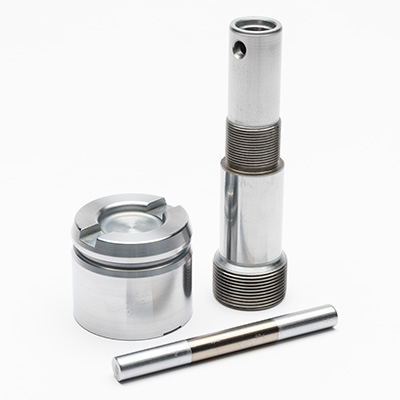
The Process
WHAT IS NICKEL/CHROME PLATING?

Don’t settle for just electroless nickel or hard chrome alone. You can put them together and get a high surface hardness with an additional layer of corrosion protection.
TS Tech Nickel has developed the capability to put more than one type of plating on the same substrate. First, we put an electroless nickel base layer on the part. This coats the part evenly regardless of geometry. After, we can plate a chrome overlay as a top layer. This double layer combines the benefits of the nickel’s superior corrosion resistance properties (100+ hours of salt spray resistance) with the high hardness (65-70 HRC) of the chrome.
Materials Treated
What Can We Treat
These material types are compatible with this process.
- Low Carbon Steel
- Alloy Steel
- Tool Steel
- Powdered Sintered Steels
- 3D Printed Steel
- Aluminum
- Copper
- Brass
- Bronze
Why Choose Nickel Chrome Plating
Advantages & Benefits
Increased Hardness
Typically results in a hardness range of 65-70 HRC.
Corrosion Protection
Superior corrosion resistance due to the nickel layer.
Adhesion Strength
Both nickel and chrome offer a superior bond strength.
Abrasion Resistance
Will not peel or flake in abrasive applications.
Low-Friction Surface
Improves frictional or sliding wear resistance.
Improved Lubricity
Chrome has good oil retention properties.
Dimensional Restoration
In certain instances, hard chrome can be used to correct undersized parts.
Temperature Resistance
Good heat mitigation properties.
Technical Data
Specifications
While there is no particular industrial specification for Ni-Chrome, each individual coating conforms to several industrial specifications.
Thickness Range
Typically .001″ – .030″ but capable of more.
Plating Hardness
Generally 65-70 HRC.
Tank Capacity
6″ diameter x 60″ length.
Corrosion Resistance
Withstands a salt spray test to 100+ hours.
Bond strength
Superior adhesion performance.
Color
Silver
Applications
Common Applications

Oil & Gas
For some of the most extreme hardness and corrosive applications.

Agricultural
Harvester rolls and other high-hardness components.
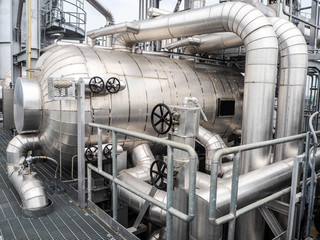
Steam System Components
Heat resistance and enhanced corrosion prevention.

Chemical Processing
Nickel provides good corrosion resistance to many chemistries.
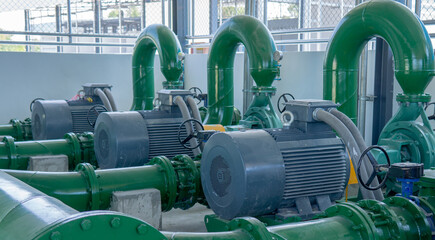
Fluid Handling Equipment
Abrasive slurries or caustic flow.

Defense & Aerospace
Engineered for the toughest specifications.
FAQs
Frequently Asked
Questions
You’ve got questions? We’ve got answers.
Nickel / Chrome (Ni-Chrome) plating is a two-step plating process where the parts are first processed for an electroless nickel plating layer, and then processed again with a hard chrome plating layer. The combination provides a one-two punch that combines the best benefits of both processes, which happen to cover for weaknesses of each process.
The electroless nickel layer will provide good corrosion resistance (~96 hours salt spray) to the surfaces of the part, and then the hard chrome layer will provide a high hardness (65-70 HRC). This combination has proven very effective for parts that are in service in difficult environments but require a high hardness and abrasion resistance.
If the application for your parts is particularly corrosive, but requires a surface hardness and abrasion resistance that is tougher than what nickel can handle alone, this two-stage process may be the answer.
Typically, the electroless nickel layer will range between .0003” to .002” and the subsequent hard chrome layer will range between .0002” to .003”. Thicknesses of each layer can be customized according to your part’s application needs.
It’s important to note that while the electroless nickel layer will coat the entire part regardless of geometry, TS Tech Nickel’s hard chrome plating process is somewhat of a line-of-sight process. If your part has an inner diameter, for example, nickel will coat the entire geometry, but hard chrome plating will only be applied to the outer diameter. We encourage you to contact us with your dimensional part blueprint, and we will be happy to tell you what we are capable of achieving.